




Trip Rating: 4.5/5
Georgian Bay has always been one of my favourite quick escapes from Toronto. It’s only about an hour and a half away, and once you’re past the last on-ramp, it opens into a maze of islands, channels, and granite shorelines that feel like they belong on the other side of the world. On this trip, we set our sights on Moon River Falls — a classic spot tucked beside Massasauga Provincial Park.
Finding public access in this part of cottage country can be tough, so we based the day out of Moon River Marina. One quick phone call to confirm parking, and we were on the road.
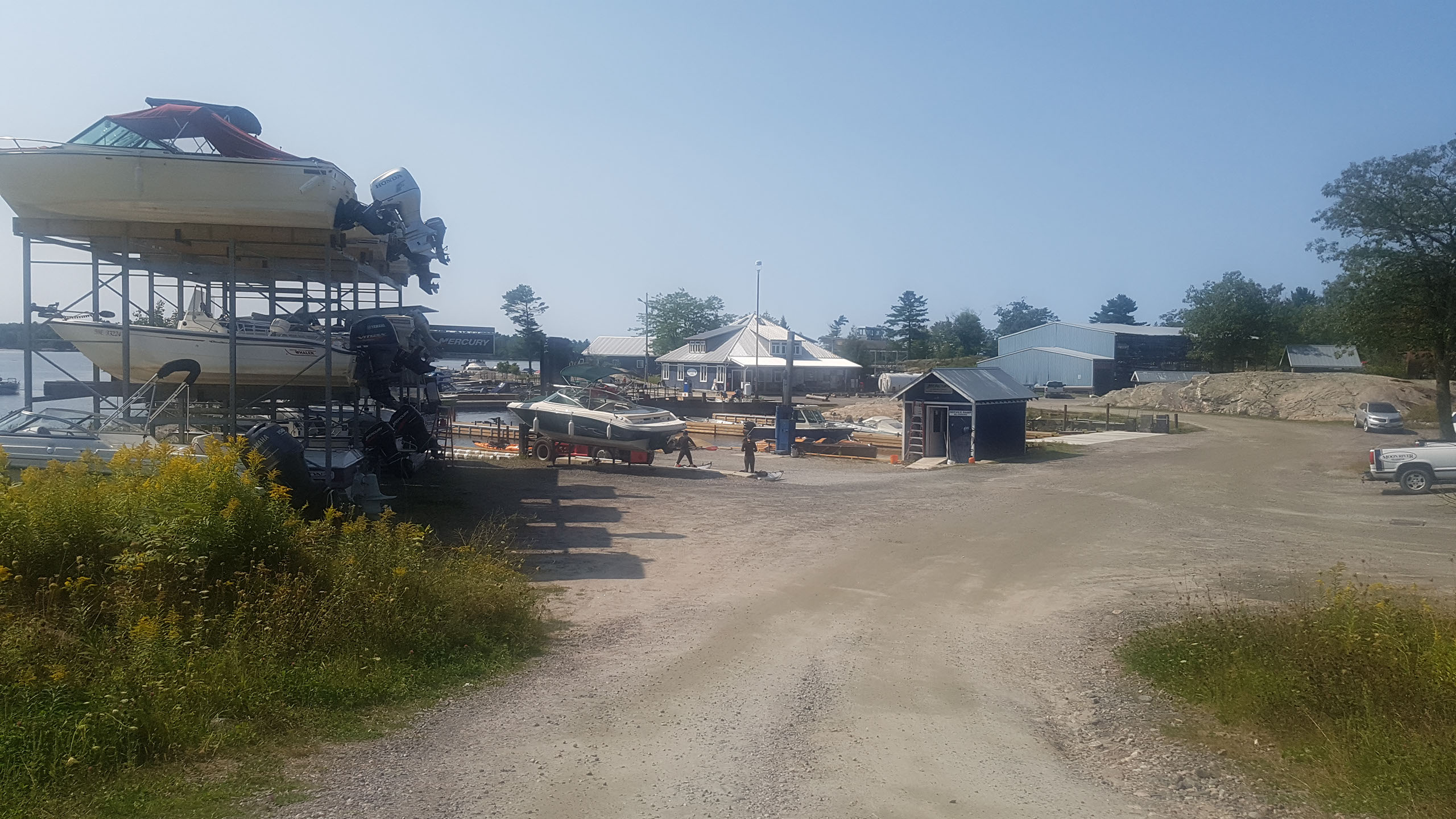
The marina is full service: washrooms, parking, small grocery store, LCBO. The staff gave us a few tips on the best lines through the islands, and after packing the boats, we slid off the ramp into the calm morning water.
Launch Site:
Moon River Marina — 714 Healey Lake Rd, MacTier, ON. They even have an after-hours parking box for early starts.


Trip Length:
From the marina to Moon River Falls is about 7.5 km each way, making this a 15 km round trip. The route is straightforward, weaving through sheltered channels and passing some incredible granite formations. If you want a shorter day, you can launch from Moon Basin Marina and shave several kilometres off the paddle.
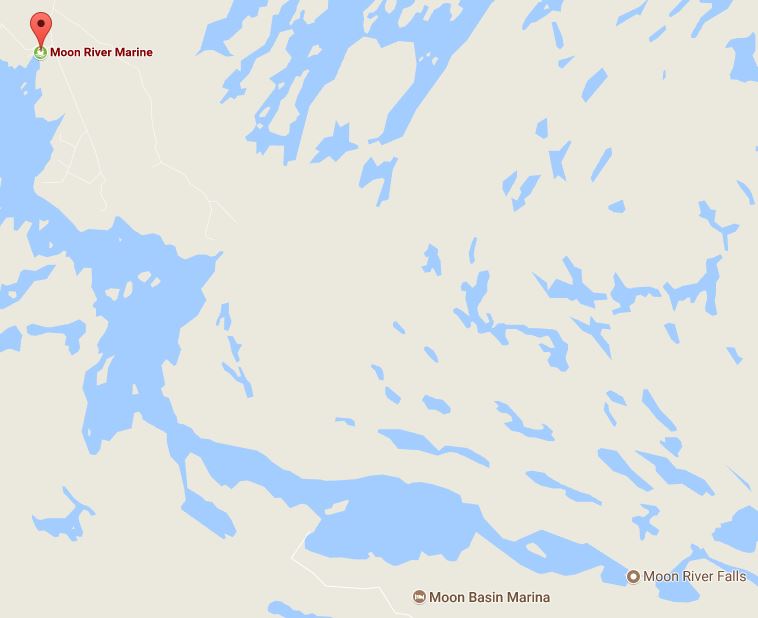
We stopped for lunch at the base of the falls and spent some time hiking around the rocks. All in, it was about a six-hour outing — slow pace, lots of exploring, very worth it.


Cost: $10 day pass at the marina.

Difficulty:
Most of the paddle is protected by the islands, but the final channel is a hydro outflow for an upstream OPG dam. Water levels can rise or drop quickly and the current can build fast. If you’re not experienced with moving water, give the falls a wide berth. As always: PFD, situational awareness, plan for the conditions.


If you love this area and want to build skills in currents and small standing waves, we now run intermediate clinics and instructional camps around Parry Sound, Massasauga Provincial Park, and Moon River Falls. They’re designed for paddlers working toward Level 2 or refining their early-season dynamic-water skills in a supportive environment. Ethical SEO note: this is a natural fit for paddlers searching for Moon River content — no brand targeting, just good information for the people who need it.
More information is available in our Level 2 programs and our clinic lineup.
~~~~~~~~~~~~
Appendix: Understanding the Moon River Standing Wave - Extreme Caution required.
The standing wave below Moon River Falls is one of the most reliable pieces of dynamic water in the Parry Sound region — when the dam is releasing. It’s small by whitewater standards, but for sea kayakers, it’s a perfect real-world classroom: friendly, surf-able, and easy to lap when conditions line up.
How the Wave Forms
Moon River is controlled upstream by the OPG (Ontario Power Generation) Bala Dam system. When OPG releases water, the outflow funnels into a narrow channel that steepens the gradient below the falls.
On moderate releases, this creates:
-
A stable standing wave with a defined shoulder
-
Predictable eddy lines on both sides
-
Clean re-entry options for repeated laps
-
Enough current for ferries, S-turns, and peel-outs — without the chaos of large-volume rivers
It’s one of the few spots in central Ontario where sea kayakers can practice these skills without needing to drive six hours to whitewater.
Where to Start: Launch Options
Because public access in cottage country is limited, paddlers generally use one of two approaches:
1. Moon River Marina (most common)
-
Full parking
-
Washrooms
-
Small store and LCBO
-
Easy ramp and protected water for packing
-
$10 parking pass
This is the best option for 99 percent of paddlers — straightforward logistics, friendly staff, and predictable access.
2. THe Cottages
The Cottages offeres parking and launching for a small fee. They are very close to the river's mouth.
Reading the River: Flow Levels, Gauges, and Dam Discharges
Because the standing wave depends entirely on dam outflow, knowing where to look for information matters.
Here’s the most relevant, accessible data for paddlers:
1. OPG “Water Management” Updates
OPG posts real-time or near-real-time dam flow information for its watersheds.
Key page:
Ontario Power Generation – Water Management
(opg.com / water management)
For Moon River, you’re looking for:
-
Bala North Dam
-
Bala South Dam
-
Moon River / Musquash System
Keywords that matter in the OPG report:
-
“increased discharge”
-
“gate operations”
-
“higher outflow”
-
“spillage”
Anything indicating higher release typically means the standing wave will be active.
2. Water Level Gauges (Government of Canada, HYDAT)
Look for gauges labelled:
-
Moon River below Bala
-
South Bala / North Bala river flows
-
Musquash River system gauges
General pattern for surfable days:
-
Higher discharge than June base flow
-
Noticeable rising trend in the previous 24 hours
-
Sustained release during daytime hours, not just short pulses
Important:
There is no single “perfect number.” The wave forms differently depending on:
-
Wind
-
Release rate
-
Seasonal water levels
-
Whether the dam is pulsing or sustained
Sea kayakers generally prefer sustained moderate releases — they create a clean, friendly wave without the chaotic boil of a high-volume pulse.
Why the Wave Matters (And Why We Train Here)
What makes Moon River so special is not just the fun factor — it’s the progression environment:
- The wave is big enough to challenge intermediates but small enough to stay safe.
-
Rescue conditions are manageable.
-
The channel geometry allows for repeated laps.
-
It’s an ideal stepping stone for paddlers aiming for Level 2 or developing confidence before taking on more remote coastal features.
In other words:
It’s one of the best “dynamic water classrooms” in Ontario.
This is why Kayak Ontario integrates Moon River into our early-season programs — it’s the right combination of safe, exciting, and repeatable.
0 comments