
Skip to product information
Introduction to Surfing and Forecasting the Great Lakes
1/2

Introduction to Surfing and Forecasting the Great Lakes

$269.00 USD

One evening of forecasting. Two full days in the surf. Learn to read the conditions, pick the break, and paddle into real Great Lakes waves.

The Niagara Peninsula is one of the best surf zones in Ontario. In the fall, prevailing winds shift from southwest to east — and the unique geography of the Great Lakes means there's almost always somewhere to surf. This clinic teaches you to find it, read it, and ride it.

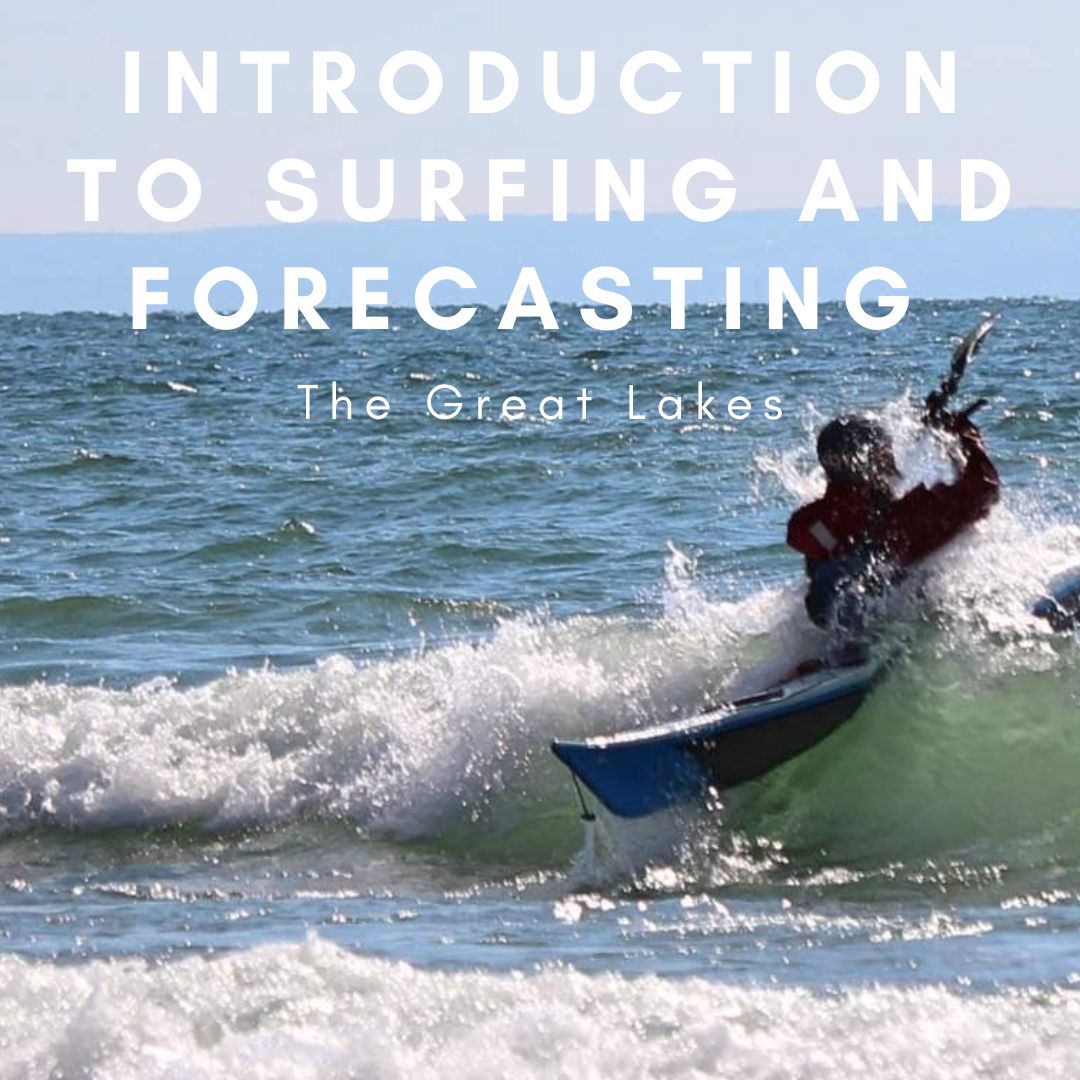
Sea kayak surfing on the Great Lakes
3 daysDuration
1:4Ratio
NiagaraRegion
DynamicExposure

Itinerary

Day 1 — Wave Forecasting
Evening session, 7:00 PM – 9:30 PM. We use weather forecast data to plan the two surf days — break selection, wind direction, swell period, and timing.
  • Reading wind forecasts for Great Lakes surf potential
  • Understanding fetch, wind duration, and how they build waves
  • Break selection — matching conditions to locations
  • Planning safe access, parking, and logistics for surf days
Days 2 & 3 — Sea Kayak Surfing
Full days, 9:00 AM – 5:00 PM. Once the plan is set, we head to the break and surf. Location is conditions-dependent — that's the point.
  • Launching and landing through surf — timing, angle, commitment
  • Catching waves — paddle strokes, positioning, and wave selection
  • Wave dynamics — behaviour, identification, and reading sets
  • Choosing safe areas to play and knowing when to move on
  • Brace and recovery in breaking waves
  • Surf zone rescues — capsizes happen, speed matters
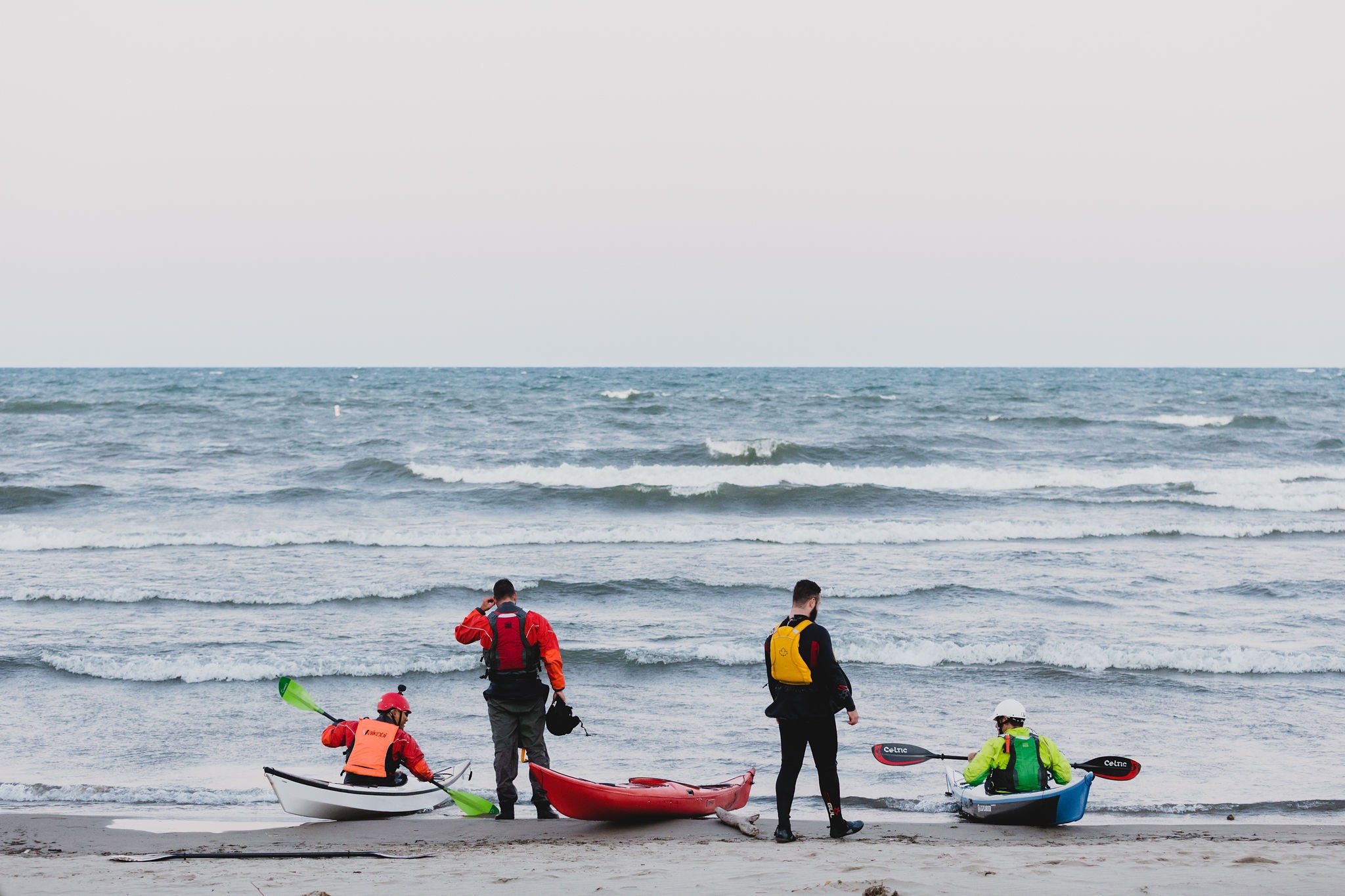
Kayak surfing on the Great Lakes

Included

  • Evening forecasting session + two full days of coached surfing at 1:4 ratio
  • Published curriculum — consistent quality regardless of instructor
  • Conditions-based site selection — we go where the surf is

Required Gear

Participants must bring their own equipment for this clinic.

  • Sea kayak with two bulkheads
  • Helmet
  • Pump, whistle, and 15m floating rope
  • PFD (mandatory)
  • Paddle
  • Sunscreen, water, and snacks
Participants are responsible for parking permits

Prerequisite: Solid bracing, confident wet exits, and reliable rescues. Previous experience in dynamic water strongly recommended. Not sure? Get in touch.

Where this goes next: This is one of the most advanced skill environments in the series. Pair it with Explorer for navigation and incident management, or step into Level 2 and Level 3 certification with coaches who already know your abilities.

Questions

Why do I need my own gear for this one?
Surfing is hard on equipment and you need a boat you're comfortable in. A borrowed kayak in breaking waves isn't the place to get acquainted. If you need help sourcing gear, get in touch.
Where exactly do we surf?
Location is conditions-dependent — that's built into the course. The evening forecasting session determines where we go based on wind, swell, and break quality. The Niagara Peninsula and surrounding Great Lakes shoreline offer multiple options.
Is this ocean-style surfing?
Great Lakes surf is wind-generated — shorter period and punchier than ocean swell. It's real surf with real consequences, but the wave behaviour is different. The forecasting component teaches you to understand those differences.
What if conditions are flat?
The forecasting evening exists specifically to avoid this. We pick surf days based on real weather data. In the rare event conditions don't cooperate, we adapt — there's always dynamic water work to be done.
Do I need previous surf experience?
No surf experience required — that's what the introduction is for. You do need to be comfortable in rough water with solid bracing and reliable rescues. If you've only paddled flat water, start with the Tobermory weekend clinics first.

We acknowledge that the land on which we gather (known as Fort Erie) is the traditional territory of the Haudenosaunee, Attiwonderonk, Mississaugas of the Credit First Nation, and Mississauga. We are grateful for the knowledge shared with us by the Indigenous peoples of what is now known as Canada as well as the circumpolar region of the Northern Hemisphere.

You may also like