




Drysuits tested:
A very common question I get asked is: “I can't afford a drysuit — is my wetsuit ok for kayaking in the Spring?” Assuming the paddler has the proper skills for cold-water kayaking, we looked at what our group actually uses during the early spring months.
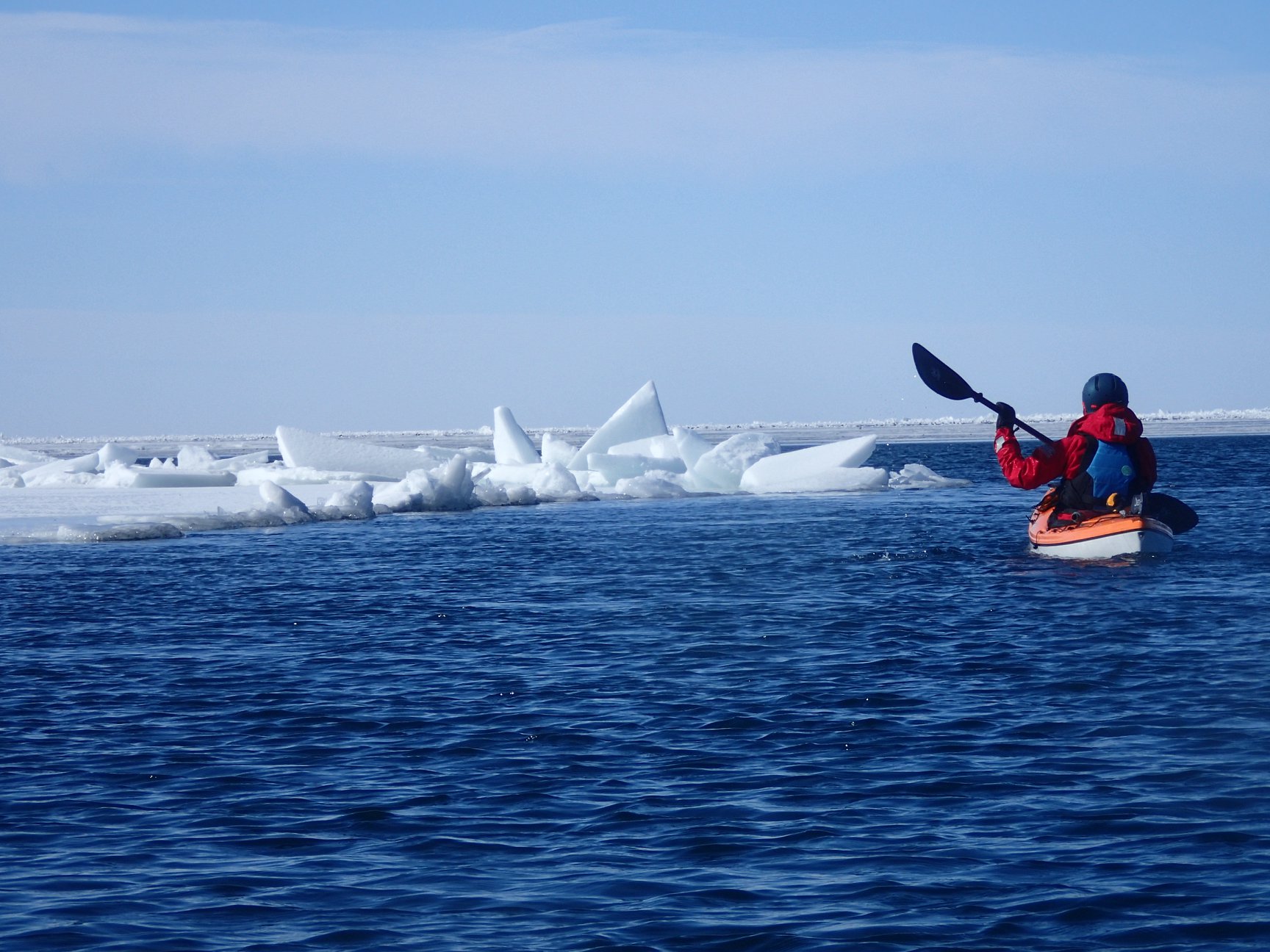
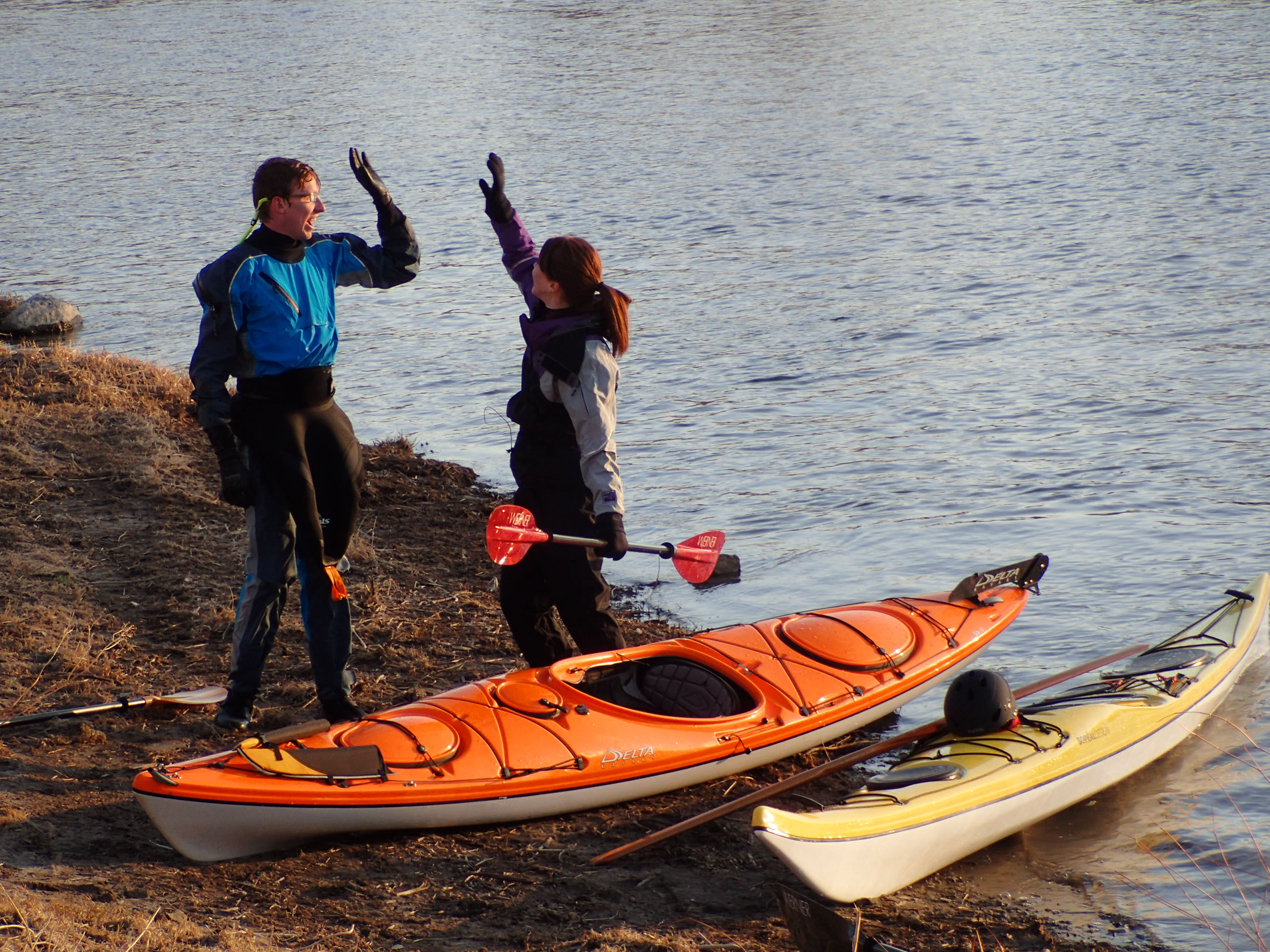
For our test paddle in mid-March, the air temperature was 2°C and the water was 4°C. Amy started in a wetsuit and David in a drysuit. We’ll look at the characteristics of both suits and compare them. Both have their uses.
Drysuits carry an interesting stigma — people often try to justify not buying one, or remember older suits that weren’t as good as modern options.
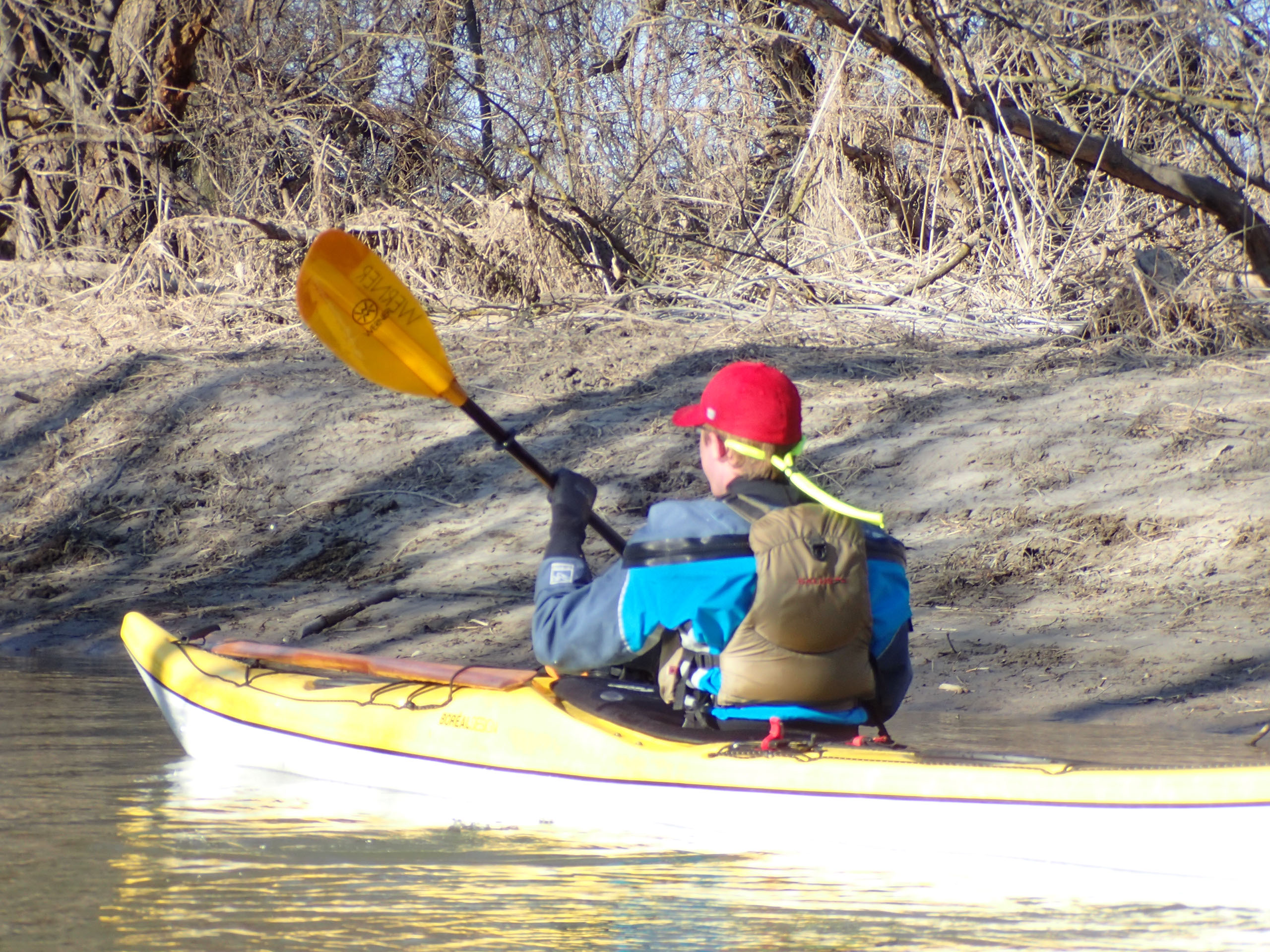
Reasons people avoid drysuits: they’re expensive, they can fail if torn, or they’re uncomfortable.
The cost can be 3–4× a wetsuit. But brands like Kokatat offer strong warranties, full repairability, and long service life. With proper care, a drysuit lasts years.

If a drysuit tears, it becomes unsafe — but the material (heavy-duty Gore-Tex) is incredibly tough. You’d need a serious gash. Regular checks solve most concerns.
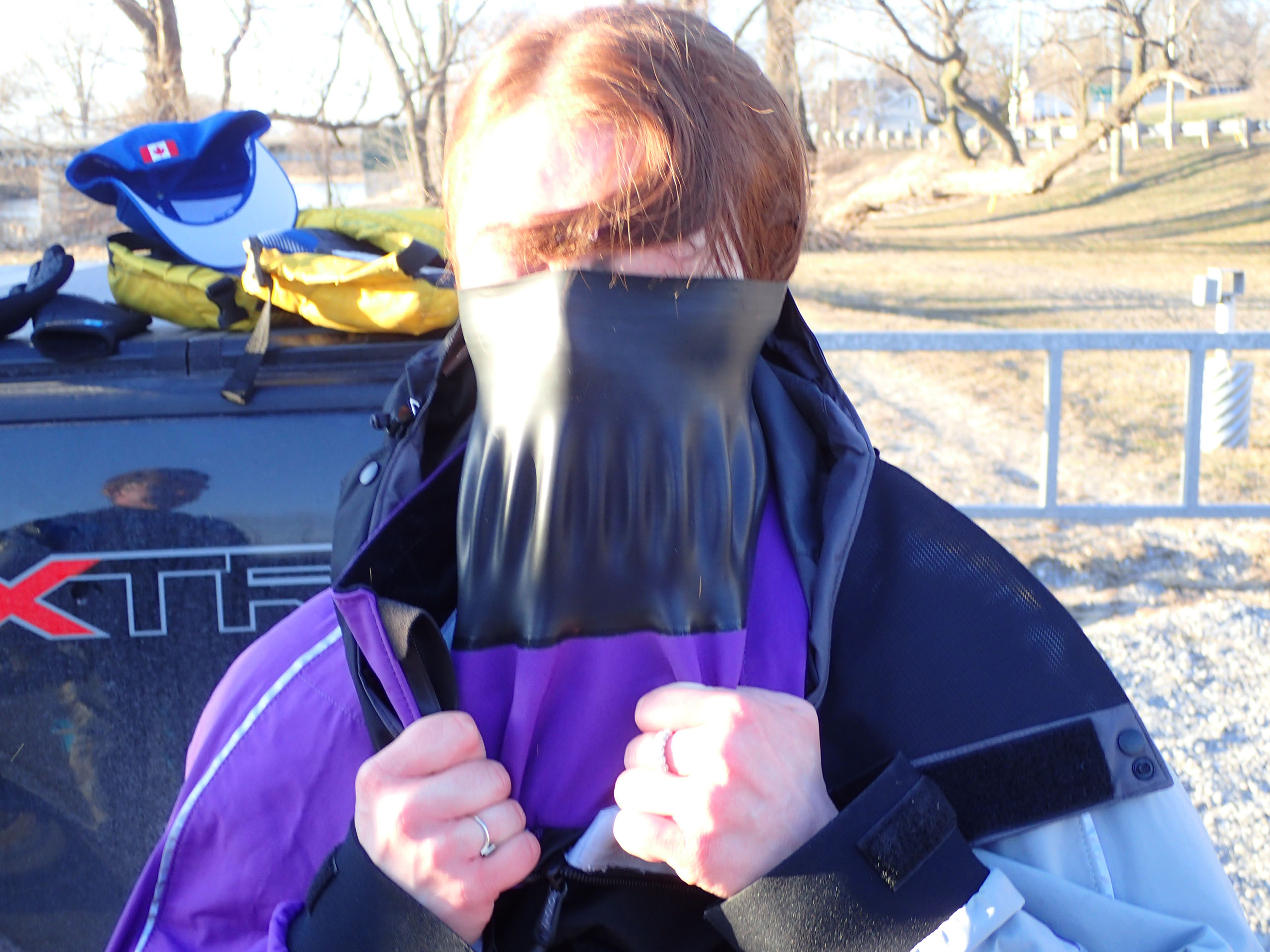
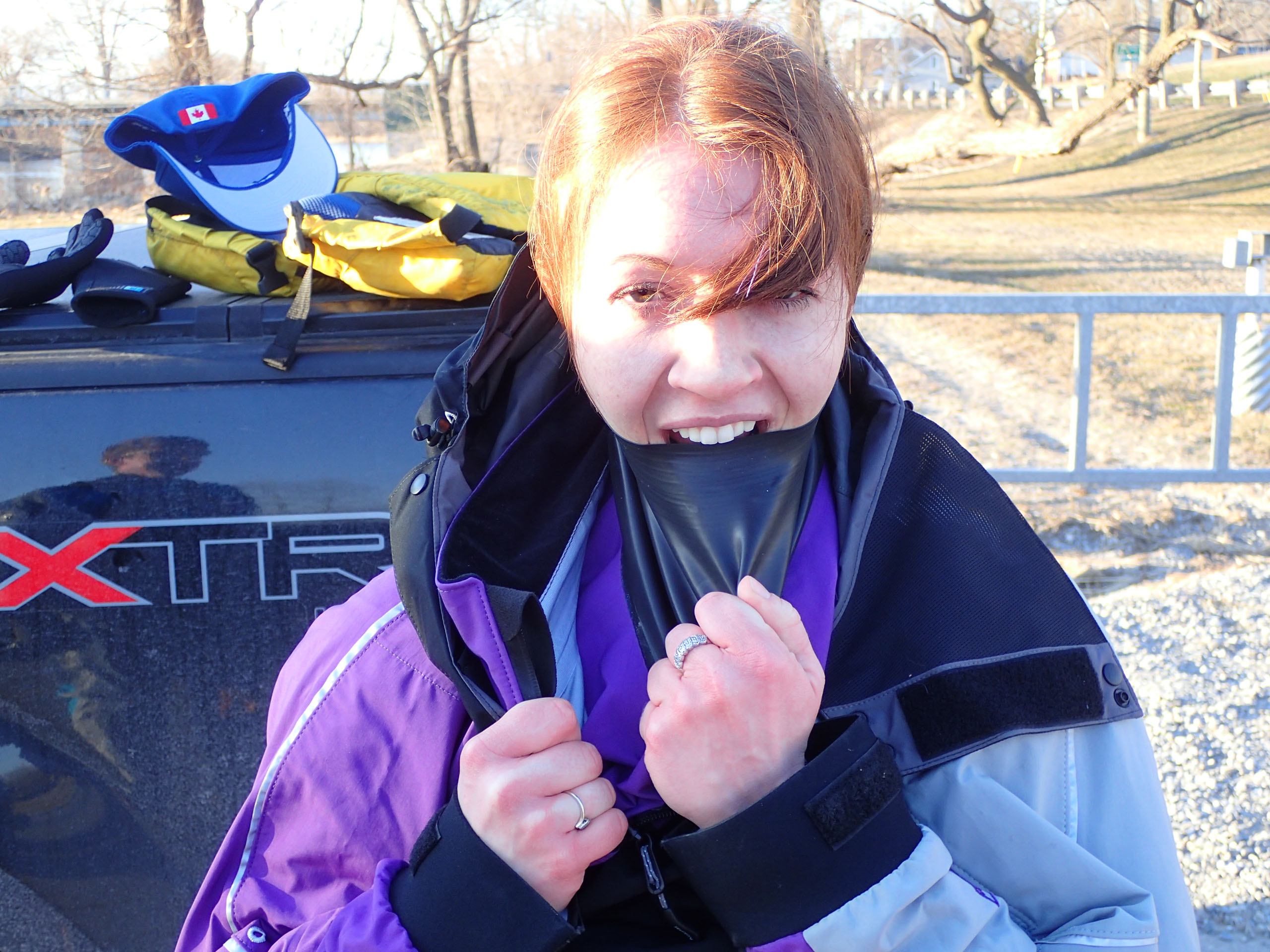
The neck gasket can be uncomfortable. But gaskets stretch, and when they get *too* comfortable you replace them. It’s the tradeoff for cold-water paddling.
You can also layer inside a drysuit based on water temperature — making it far more comfortable for longer days.
Everyone has a wetsuit kicking around. They vary widely in thickness — from thin surfing suits to thick 8mm diver suits.
Wetsuits are loved for being cheap, durable, and comfortable on warm days.
We used 5/4 triathlon wetsuits for our test.
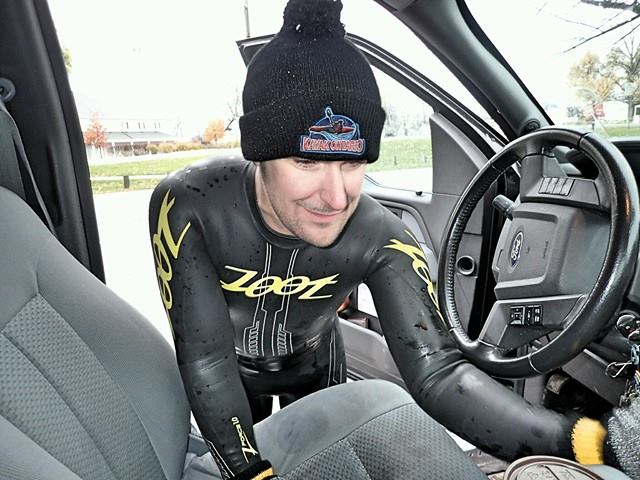
Wetsuits continue working even if torn — though tearing either suit is unlikely.
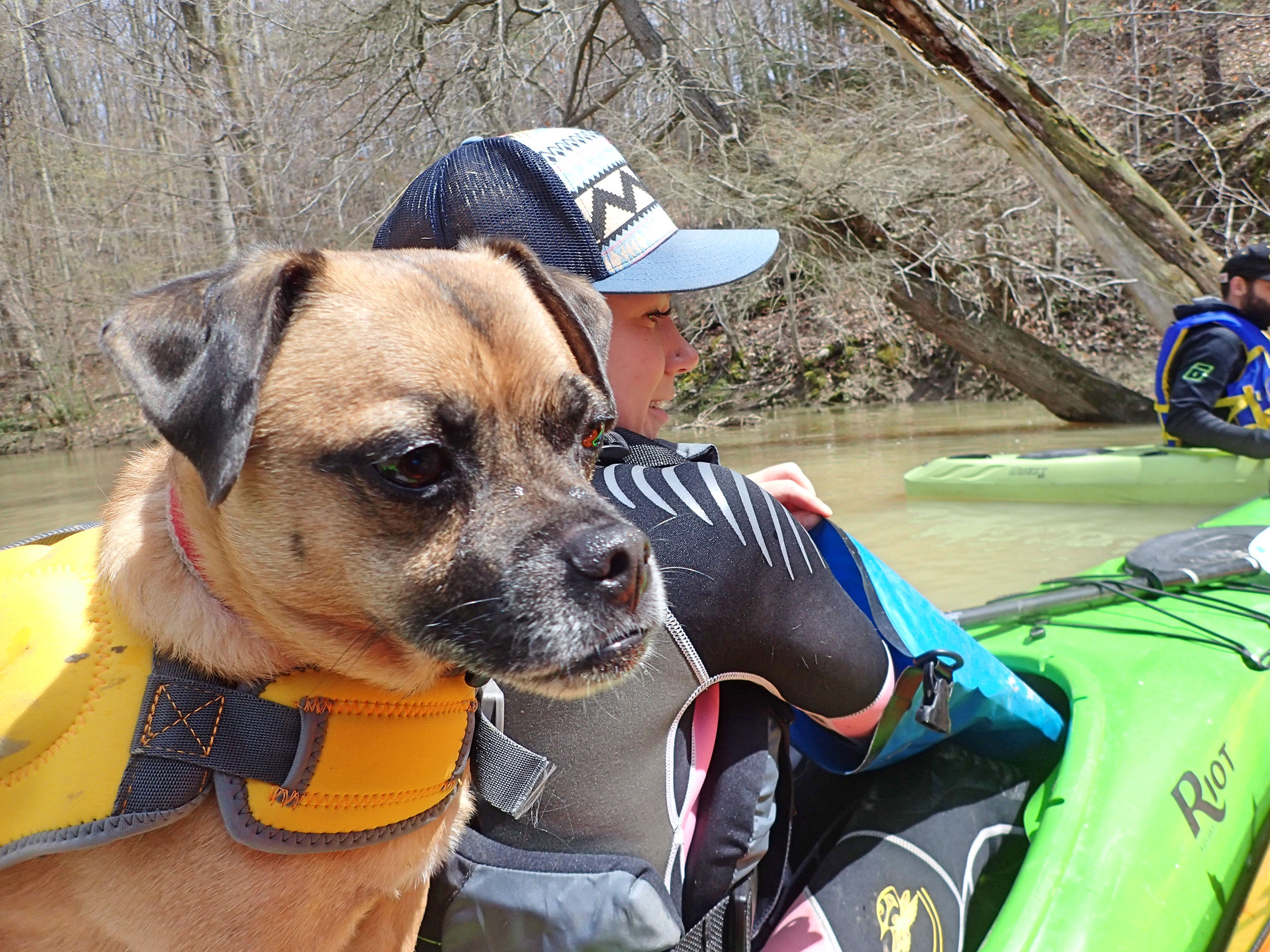
But wetsuits get sweaty, sticky, and gross. A latex gasket is still better than the wetsuit “BO bomb” by the end of a sunny day.
Comparison: We tested in three stages — on shore, on the water, and in the water.

Amy was freezing in her wetsuit before even launching. Wetsuits work by trapping water — but out of water, they’re terrible insulators. David zipped up his drysuit and was warm the entire day.
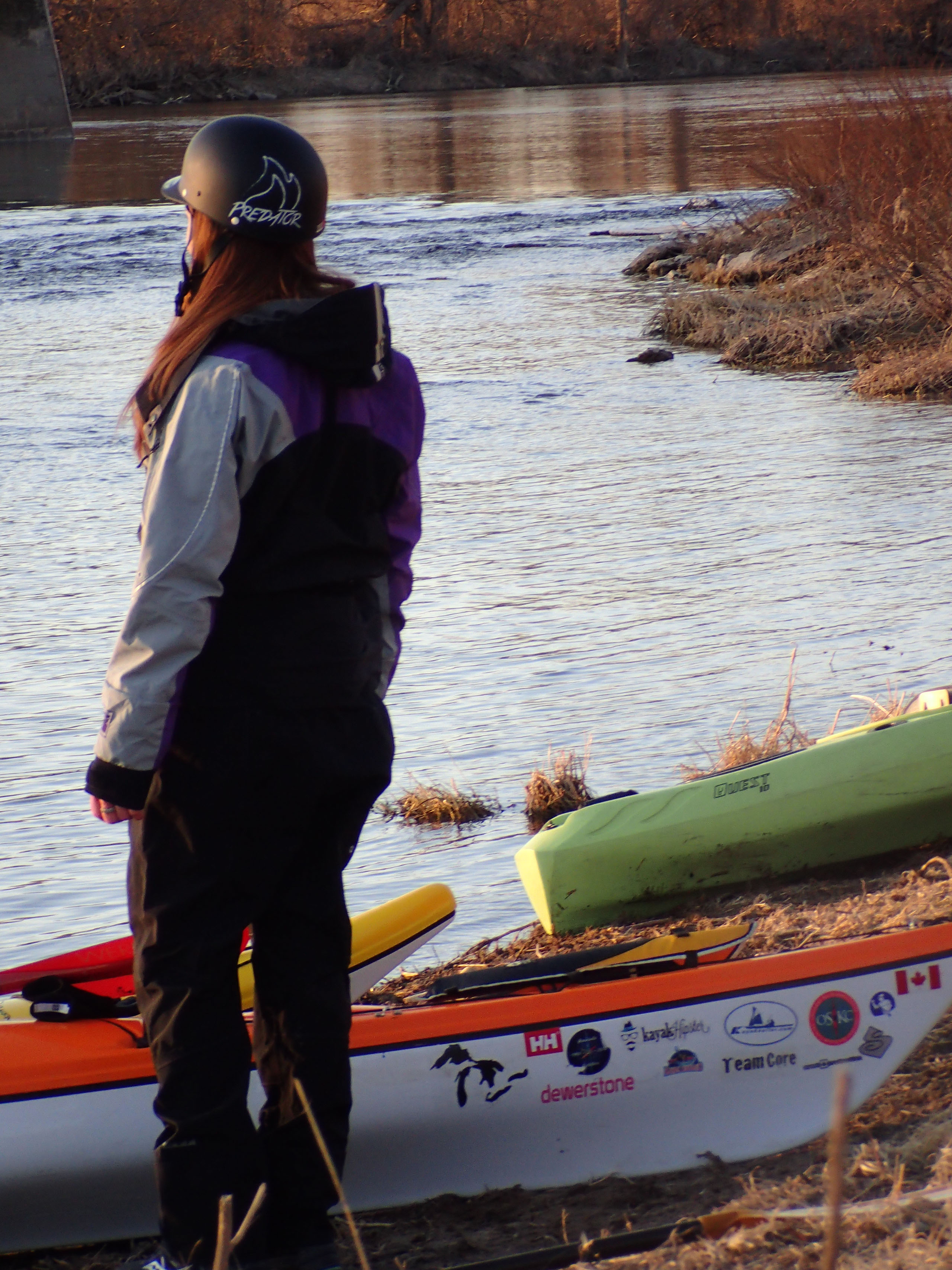
For on land, the clear winner is the drysuit.
On the water, same story — Amy was cold, even paddling with layers. The drysuit paddlers stayed warm.
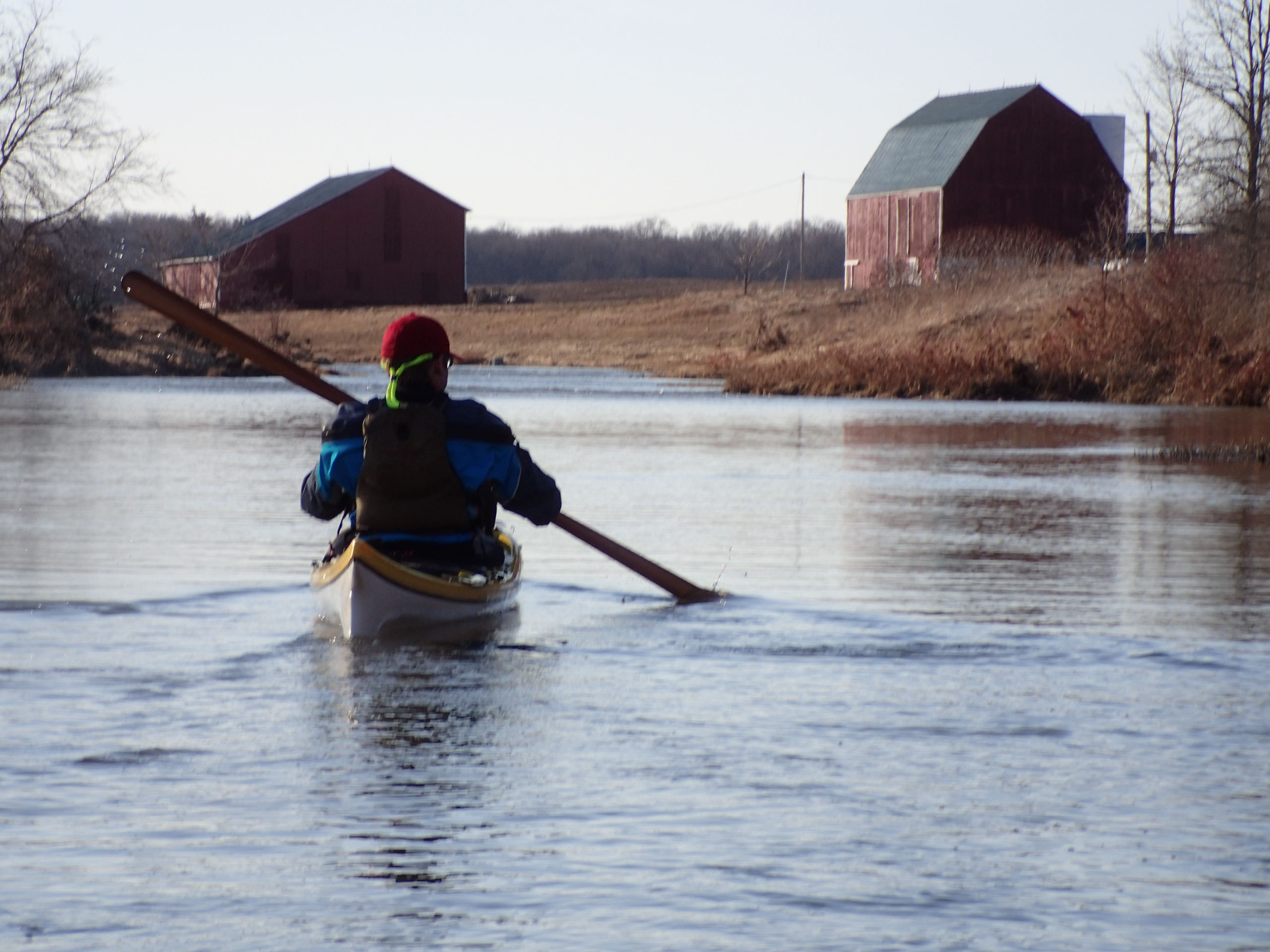
In the kayak, the winner is the drysuit.
In the water, the results were extreme. David rolled, swam, and played comfortably. Amy hit the water once and had to immediately get out and change — dangerously cold.

It would be unsafe to wear anything but a drysuit with proper thermal layers.
If your goal is Instagram style over safety, the wetsuit “superhero” look wins — but you’ll be cold and miserable.
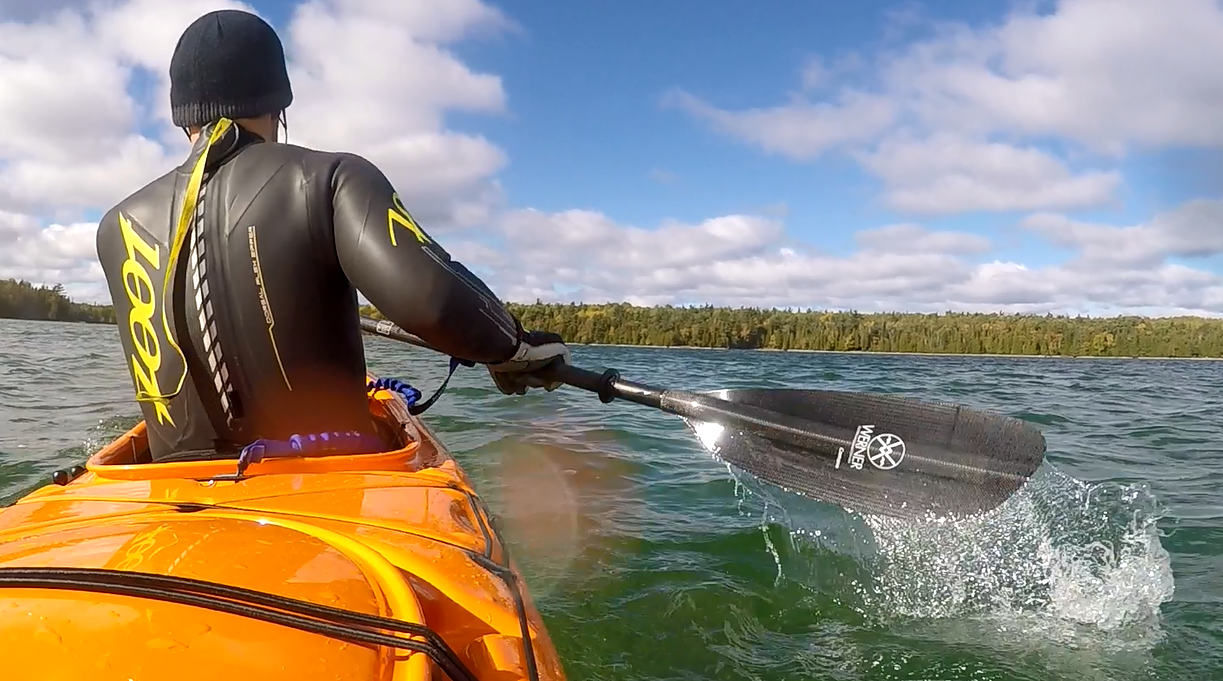
The clear winner: the drysuit. If you want to paddle in the cold months, save up, buy a top-tier suit, and make sure you have the training and skills to use it safely.
0 comments